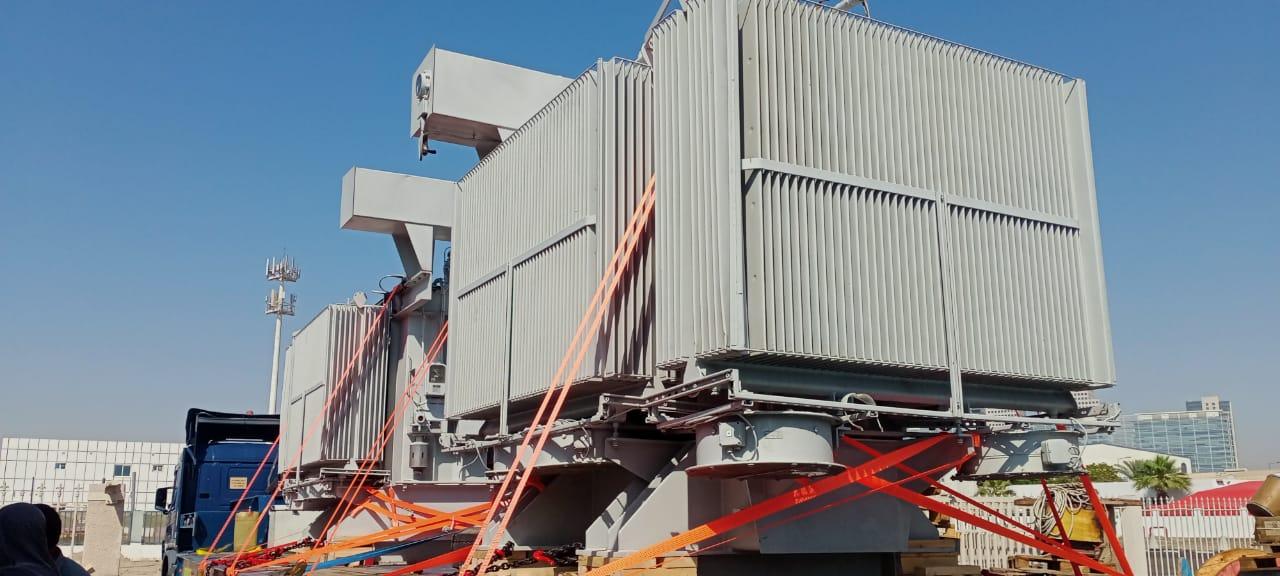
The ultimate guide to cargo lashing & crating in UAE
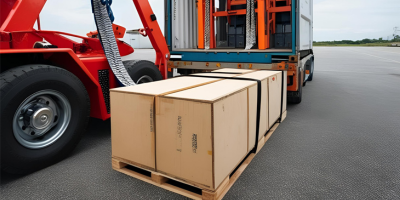
When to use webbing, when to use chain, and how to document a lashing plan that survives an audit.
Cargo lashing is the process of securing goods during transportation using ropes, wires, straps, or chains to prevent movement. This practice is essential in UAE logistics to keep shipments safe across every transport mode — road, sea, and air.
Understanding crating
Crating means enclosing cargo in wooden or plywood boxes. There are three common formats:
- Open crates for large machinery with airflow requirements.
- Closed crates for sensitive or environmentally exposed goods.
- Skeleton crates as lightweight, cost-efficient alternatives.
Five common lashing techniques
- Cross lashing using diagonal tie-downs.
- Loop lashing that encircles the cargo.
- Blocking and bracing with wooden barriers.
- Top-over lashing for downward force.
- A combination approach for oversized loads.
Professionals use ratchet straps, winches, turnbuckles, wire ropes, and dunnage bags to achieve the right tension profile for each consignment.
Material selection
Material matters: solid wood for heavy equipment, plywood for air freight, and OSB as a cost-effective option. All wooden packaging bound for international trade must comply with ISPM 15.
Sea vs air freight
Sea freight demands heavy-duty lashing and moisture-resistant crates. Air freight prioritises lightweight, compact solutions. Warehouse lashing operates in controlled environments; on-site lashing handles oversized cargo directly at the customer yard.
Why it matters
Good lashing reduces damage, improves cargo stability, ensures regulatory compliance, smooths customs clearance, and raises customer satisfaction — all at a fraction of the cost of a single insurance claim.
More from the Digest
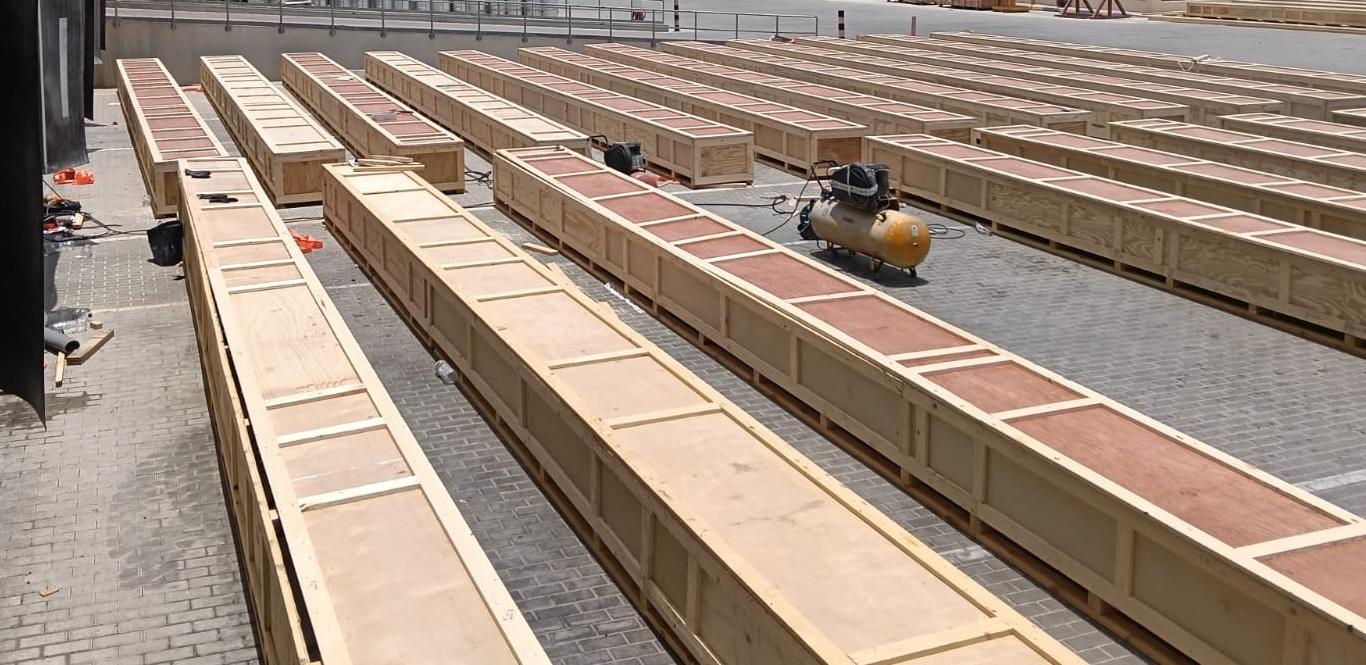
Securing high-value cargo: custom wooden crating and lashing for industrial pipes
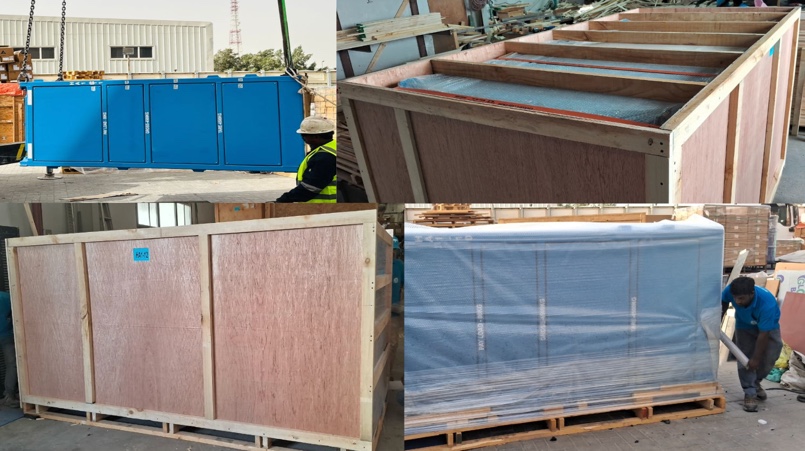
The critical benefits of professional industrial packing: exporting high-value HPU skids from Dubai