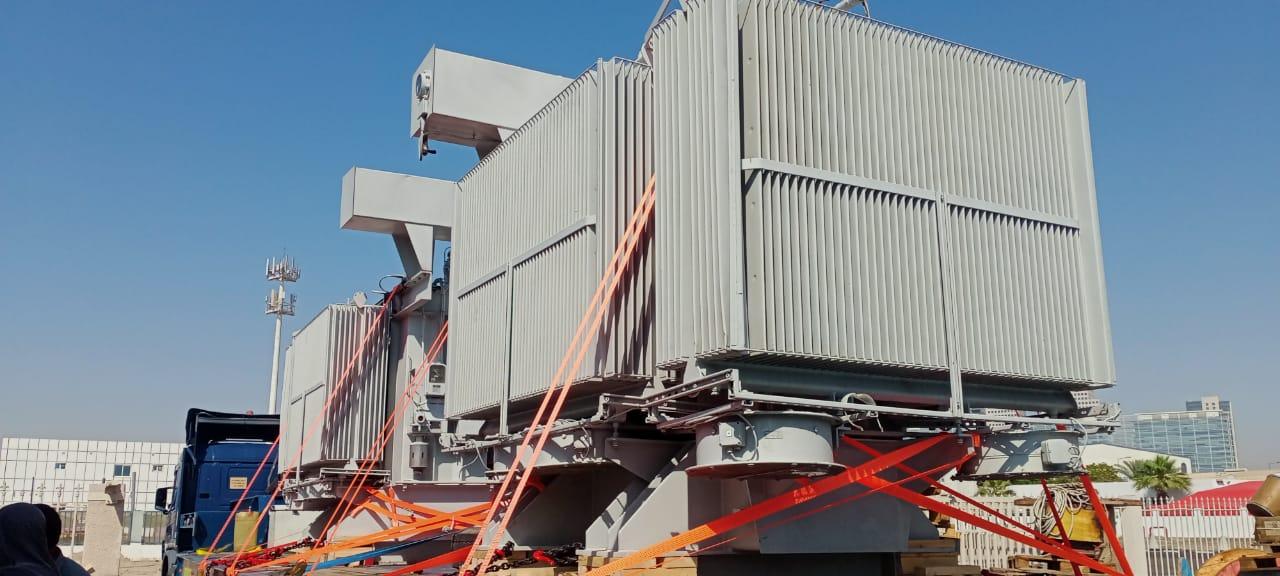
Ready for take-off: packing and handling a Blowout Preventer for critical airfreight
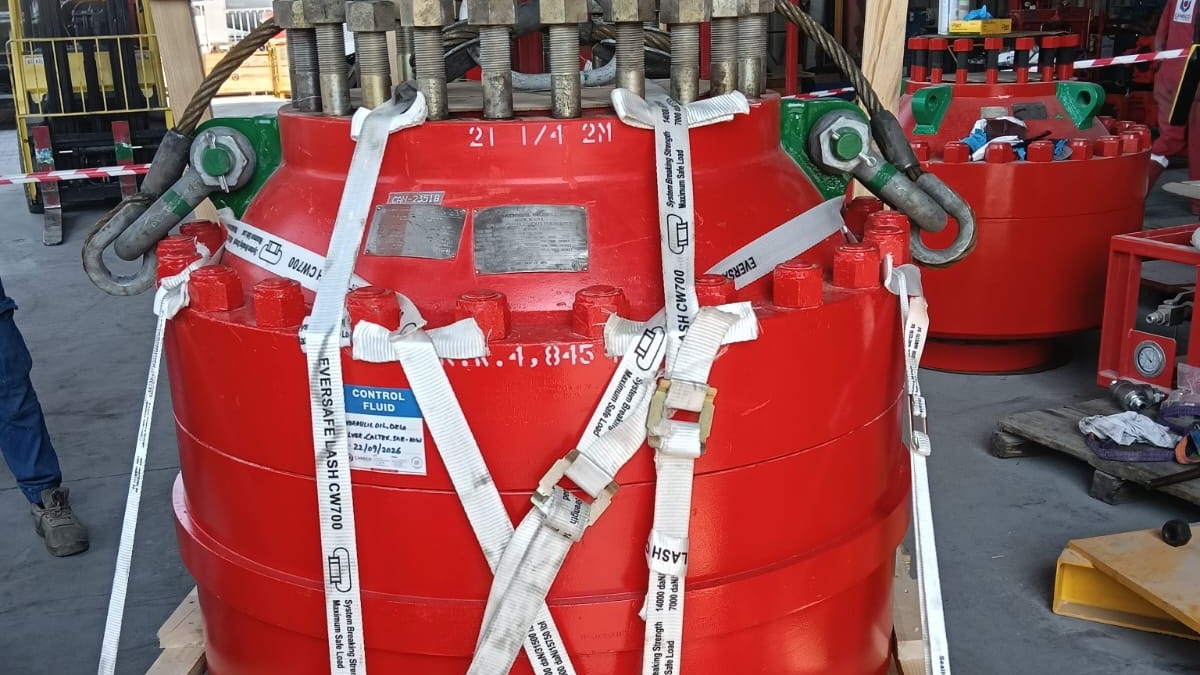
Why expedited airfreight of a Blowout Preventer (BOP) is complex project cargo — ISPM-15 skids with load-spreading beams, shock mitigation, centre of gravity mapping, ULD compatibility, and aviation-grade lashing.
When rig downtime costs tens of thousands of dollars a day, expedited airfreight for critical equipment like a Blowout Preventer (BOP) isn't just an option — it's a necessity.
But moving a BOP unit at 30,000 feet isn't standard logistics. It falls squarely into the realm of complex project cargo, requiring meticulous engineering in both specialized packing and dynamic load handling.
Here is why professional packing and expert handling make or break an airfreight operation for heavy Oil & Gas assets.
Engineered packing for extreme environments
Airfreight packing goes far beyond standard crating; it must protect the unit from atmospheric shifts and physical transit shocks.
- Custom skidding and load spreading: A BOP has an extremely dense, irregular weight footprint. We engineer ISPM-15 certified heavy-duty skids equipped with load-spreading beams to ensure the unit's weight distribution complies strictly with aircraft deck bearing limitations (lbs/sq ft).
- Shock and vibration mitigation: Specialized dampening mounts are integrated into the crate base to absorb high-frequency vibrations during takeoff, turbulence, and landing, protecting sensitive internal electronics and seals.
Precision handling and dynamic load security
Getting the unit packed is only half the battle. Handling oversized cargo inside a freighter aircraft requires strict adherence to aviation safety protocols.
- Centre of gravity (COG) mapping: Before a BOP ever touches a tarmac, its precise COG must be calculated and clearly marked. Mishandling an asymmetrical load can jeopardize the aircraft's balance.
- Unit Load Device (ULD) compatibility: The skid must seamlessly interface with specialized heavy-lift pallets (like PMC or PGA ULDs). Precision handling ensures the unit is secured to the ULD without exceeding overhang limits.
- Aviation-grade lashing and tie-downs: Aircraft experience multi-directional G-forces during flight. We design custom lashing schematics using aviation-certified straps and heavy-duty chains, factoring in forward, aft, lateral, and vertical restraint requirements (e.g., standard 1.5G to 3G restraint thresholds) to prevent micro-shifts mid-flight.
A poorly packed or improperly lashed BOP doesn't just risk equipment damage — it risks flight rejection by the airline loadmaster, causing catastrophic delays to rig operations.
Trust your critical assets to specialists
When you trust your critical O&G assets to specialists, you guarantee compliance, safety, and speed.
Have an upcoming heavy-lift or AOG requirement? Contact our project cargo team to engineer your next critical move.
More from the Digest
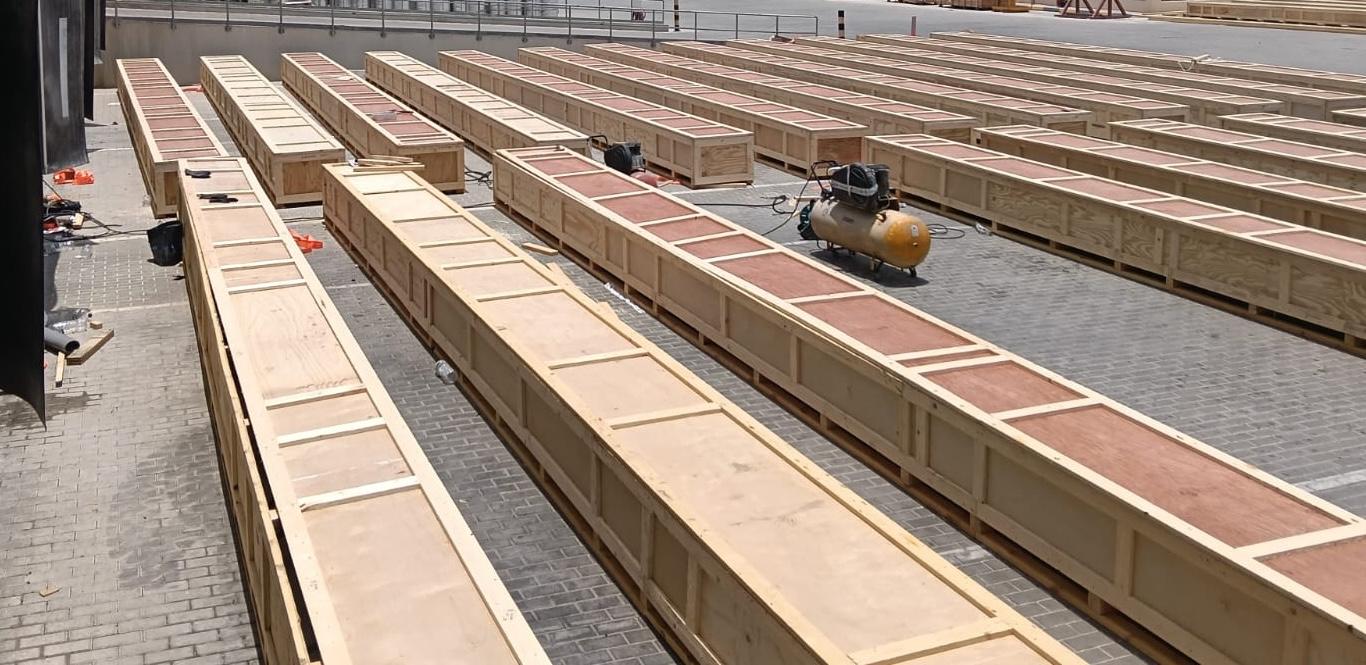
Securing high-value cargo: custom wooden crating and lashing for industrial pipes
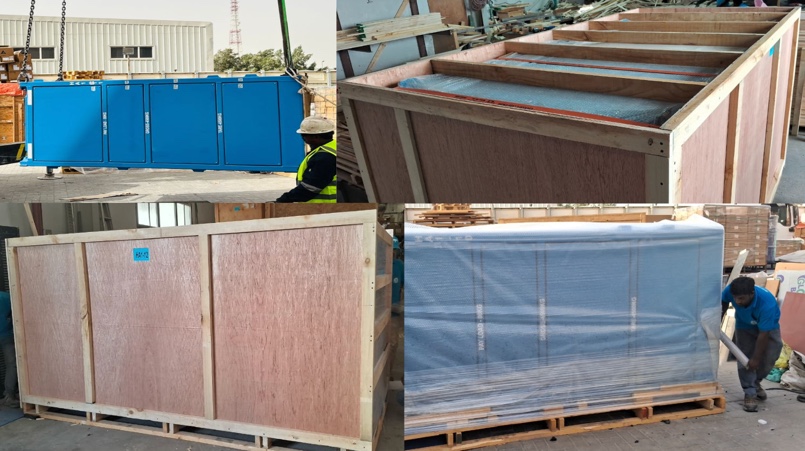
The critical benefits of professional industrial packing: exporting high-value HPU skids from Dubai