
Checklist we run before every international consignment leaves the yard: ISPM 15, moisture, and labelling.
Export packing is the frontline defense that protects goods from damage during international shipping. Beyond mere containment, proper packing safeguards against physical damage, moisture, vibration, and theft while ensuring customs compliance and cost efficiency.
The ten core practices
- Classify cargo — fragile items need cushioning, perishables need temperature control, HAZMAT follows strict rules, and high-value goods need tamper-evident protection.
- Select the right material — corrugated boxes, wooden crates, ISPM 15 pallets, foam, bubble wrap, shrink wrap, and strapping.
- Optimise container space — stack heavier items below, use void fillers, and align packaging with container specs.
- Weatherproof — plastic liners, desiccant packs, vapor barrier foils, sealed crating.
- Document clearly — legible, waterproof labels on multiple surfaces, plus handling indicators and export paperwork.
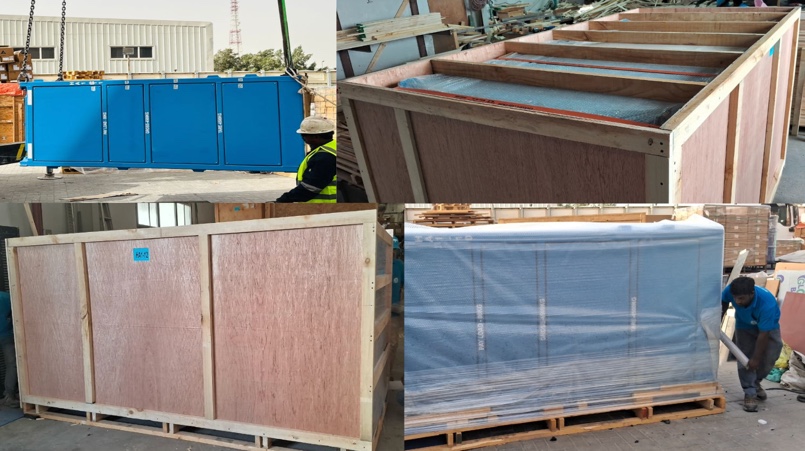
- Custom crating for oversized or delicate machinery with shock-absorbing mounts.
- Test using ISTA protocols and drop tests simulating real transit.
- Use professional services where compliance risk is high (ISPM 15, HAZMAT).
- Adjust per transport mode — sea freight gets corrosion-proofed, air freight stays light.
- Favour recyclable materials and reusable crates to reduce cost and improve corporate image.
Why it pays off
Mastering these practices reduces damage, lowers insurance costs, accelerates customs clearance, and measurably improves customer satisfaction.
(Continue reading)
More from the Digest

Industrial Packing5 min read
Securing high-value cargo: custom wooden crating and lashing for industrial pipes
August 20, 2026
Industrial Packing5 min read
The critical benefits of professional industrial packing: exporting high-value HPU skids from Dubai
June 30, 2026

Lashing & Securing4 min read
Reliable cargo lashing & industrial packaging services in UAE
June 3, 2026